




Knowing how to charge lithium battery products correctly is essential for maintaining battery performance, extending service life, and reducing safety risks. Lithium batteries are widely used in consumer electronics, power tools, electric vehicles, energy storage systems, and portable devices because of their high energy density and rechargeable performance.
However, charging a lithium battery is not as simple as connecting it to any available power source. The correct charging voltage, current, charging profile, and battery protection system depend on the battery chemistry and specifications. Using an incompatible Charger can lead to poor charging performance, battery damage, or potentially dangerous conditions.
Whether you are charging a lithium-ion battery for a portable device or selecting a suitable charger for an electronic product, understanding the basic principles of lithium battery charging helps you make safer and more informed decisions.
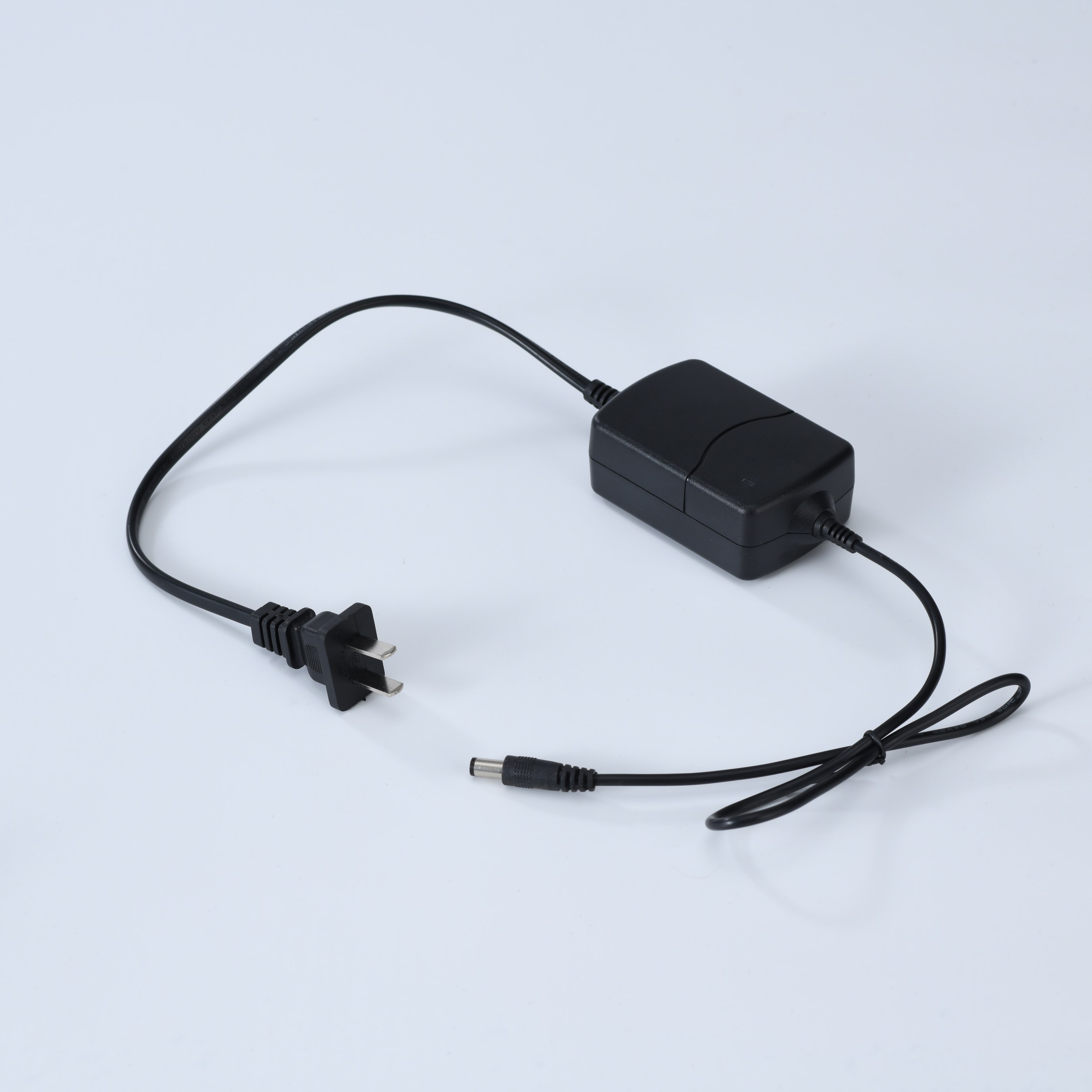
How Does Lithium Battery Charging Work?
Lithium battery charging is a controlled process in which electrical energy is converted into chemical energy and stored inside the battery. During charging, lithium ions move between the battery's electrodes through the electrolyte, while electrons travel through the external circuit.
Most conventional rechargeable lithium-ion batteries use a charging method known as constant current and constant voltage (CC/CV).
Constant Current Charging
During the initial stage, the charger supplies a controlled current to the battery. The battery voltage gradually increases as the stored energy rises.
The charging current must remain within the battery manufacturer's specified limits. Excessive current can cause overheating, accelerate battery degradation, or create safety hazards.
Constant Voltage Charging
When the battery reaches its specified charging voltage, the charger maintains that voltage while the charging current gradually decreases.
Charging is generally considered complete when the current falls to the termination threshold defined by the battery manufacturer or charging system. The exact conditions depend on the battery chemistry, capacity, and charging specifications.
A suitable lithium Battery Charger manages these stages automatically. Users should not attempt to reproduce the charging process with an unregulated power supply.
How to Charge Lithium Battery Correctly
If you want to know how to charge lithium batteries safely, the most important rule is to follow the battery manufacturer's charging specifications and use a compatible charger.
Step 1: Identify the Battery Type
Before charging, determine the battery chemistry, nominal voltage, rated capacity, and maximum charging voltage.
Common rechargeable lithium battery types include:
Lithium-ion (Li-ion): Widely used in laptops, portable electronics, power tools, and many rechargeable devices.
Lithium polymer (LiPo): Often used in compact electronics, drones, and applications requiring flexible battery packaging.
Lithium iron phosphate (LiFePO4): Common in energy storage systems, RV power systems, and some industrial applications.
These battery types do not necessarily use the same charging voltage. For example, a conventional lithium-ion cell commonly has a nominal voltage of approximately 3.6–3.7V and a maximum charging voltage of 4.2V, while a typical LiFePO4 cell has a nominal voltage around 3.2V and a maximum charging voltage around 3.65V. Exact limits depend on the specific cell.
Never choose a charger based only on the battery's nominal voltage.
Step 2: Select a Compatible Lithium Battery Charger
The charger must match the battery's chemistry, series-cell configuration, charging voltage, and permitted charging current.
For example, a battery pack made from several cells connected in series requires a charger designed for the complete pack voltage and charging profile. A charger intended for a single lithium-ion cell should not be used for a higher-voltage battery pack unless the system is specifically designed for that configuration.
When selecting a charger, check:
Battery chemistry and pack configuration
Required output voltage
Charging current and charging time
Connector type and polarity
Battery management system (BMS) compatibility
Applicable electrical safety and regulatory requirements
A professional lithium battery charger should provide controlled charging and appropriate protection against conditions such as overvoltage, overcurrent, and short circuits.
Step 3: Inspect the Battery Before Charging
Check the battery and its cables for visible damage before connecting the charger.
Do not charge a battery that is swollen, leaking, punctured, unusually hot, or showing other signs of damage. Damaged batteries should be handled according to the manufacturer's safety instructions.
Also inspect the connector, charging port, and charger for contamination or physical damage.
Step 4: Connect the Charger Correctly
Follow the manufacturer's instructions for connecting the battery and charger. Confirm that the connector, polarity, voltage, and charging settings are correct before starting.
Use the designated charging port or approved connection method. Do not bypass the battery management system or protection circuitry to force a battery to charge.
Step 5: Monitor the Charging Process
During charging, pay attention to the battery's temperature and any warning indicators. A battery or charger that becomes unusually hot, produces an unusual smell, swells, or makes unexpected noises should be disconnected from power if it is safe to do so, and handled according to the manufacturer's emergency instructions.
Charge batteries in a dry, well-ventilated area, away from flammable materials and direct heat. Avoid charging in environments outside the battery manufacturer's permitted temperature range.
Step 6: Finish Charging According to the Manufacturer's Instructions
Allow the charging system to terminate charging automatically when the appropriate conditions are reached. Do not continue charging beyond the specified limits.
Some devices are designed to remain connected to their approved charger, while others should be disconnected after charging. Follow the device and battery manufacturer's recommendations rather than applying one rule to every lithium battery.
What Voltage Is Needed for Charging a Lithium Battery?
The required charging voltage depends on the battery chemistry and the number of cells connected in series. Different lithium battery types have different voltage limits.
| Battery Type | Typical Nominal Cell Voltage | Typical Maximum Charging Voltage per Cell |
|---|---|---|
| Conventional lithium-ion | 3.6–3.7V | 4.2V |
| Some high-voltage lithium-ion cells | Varies by model | May be higher than 4.2V; follow the cell specification |
| Lithium iron phosphate (LiFePO4) | About 3.2V | About 3.65V |
| Lithium polymer (LiPo) | Commonly 3.7V | Commonly 4.2V for standard cells |
These are typical reference values, not universal specifications. Always check the exact battery datasheet.
For a battery pack containing cells connected in series, the required pack charging voltage is based on the number of cells and the permitted voltage of each cell. For example, a conventional 3-series-cell lithium-ion pack commonly has a maximum charging voltage of 12.6V, while a 4-series-cell pack commonly has a maximum of 16.8V.
These examples apply to standard 4.2V-per-cell lithium-ion configurations. They should not be applied to LiFePO4 or other battery chemistries without verifying the specifications.
How Long Does Lithium Battery Charging Take?
The time required for charging a lithium battery depends on its capacity, charging current, initial state of charge, temperature, battery condition, and charging method.
A simplified estimate is:
Charging time (hours) ≈ Battery capacity (Ah) ÷ Charging current (A)
For example, charging a 4Ah battery at a constant current of 2A gives a basic estimate of approximately two hours. Actual charging usually takes longer because the current may decrease during the constant-voltage stage, and the charging system may include additional control periods.
Battery capacity alone does not determine the correct charging current. The maximum permitted current must come from the battery manufacturer's specifications.
For battery packs, charging time may also be affected by cell balancing, BMS settings, and the charger's power rating.
What Is the Difference Between Lithium-Ion and Lithium Battery Charging?
The term "lithium battery" can refer to different battery technologies. In everyday product descriptions, it often refers to rechargeable lithium-ion batteries, but lithium-metal primary batteries are also available and are generally non-rechargeable.
Charging a non-rechargeable lithium battery can be dangerous. Always confirm that the battery is specifically designed for recharging before connecting it to a charger.
Even among rechargeable batteries, lithium-ion, lithium polymer, and LiFePO4 batteries may require different charging voltage limits and control settings.
For this reason, a charger labeled simply "lithium battery charger" is not automatically suitable for every lithium battery. Compatibility must be verified against the exact battery specifications.
Common Mistakes When Charging Lithium Batteries
Avoiding common charging mistakes helps protect both the battery and the connected equipment.
Using the Wrong Charger
A charger with an incompatible voltage or charging profile can damage the battery. Always select a charger designed for the specific battery chemistry and configuration.
Charging at an Excessive Current
A charging current above the permitted limit can cause overheating and shorten battery life. Fast charging should only be used when the battery and charging system support it.
Charging at Extreme Temperatures
Charging outside the permitted temperature range can damage lithium batteries. Many conventional lithium-ion cells restrict charging at low temperatures because charging below the approved range can cause lithium plating. Some specialized batteries support different temperature limits, so consult the datasheet.
Ignoring Battery Damage
Swelling, leakage, punctures, and unusual heat may indicate a dangerous battery condition. Do not continue charging a damaged battery.
Leaving Charging Batteries in Unsafe Locations
Avoid charging on combustible surfaces, near flammable liquids, or in locations where heat cannot dissipate. Follow the manufacturer's guidance for supervision, placement, and storage.
Assuming Every Lithium Battery Is Rechargeable
Some lithium batteries are designed for single use. Attempting to recharge a non-rechargeable battery can result in leakage, overheating, or rupture.
How to Extend Lithium Battery Life
Correct charging practices can help preserve lithium battery capacity over time.
Avoid Repeated Overcharging
Use a compatible charger with the correct voltage regulation and termination settings. Do not bypass protection circuitry or apply voltage beyond the battery's permitted limit.
Control Charging Temperature
Charge the battery within the recommended temperature range. Excessive heat can accelerate aging, while charging some lithium-ion batteries below their permitted temperature can cause irreversible damage.
Use the Recommended Charging Current
Charging at a current supported by the battery helps balance charging speed, heat generation, and long-term performance. Higher current is not always better.
Follow Storage Recommendations
If a battery will not be used for an extended period, follow the manufacturer's storage instructions for charge level and temperature. Long-term storage at full charge or in hot conditions can accelerate degradation in many lithium-ion batteries.
Use a Battery Management System When Required
Multi-cell battery packs often rely on a battery management system to monitor cell voltages, temperature, and other operating conditions. The BMS should be compatible with the battery chemistry, pack design, and charger.
How to Choose a Lithium Battery Charger Manufacturer
For device manufacturers, distributors, and businesses sourcing charging products, choosing a reliable lithium battery charger manufacturer is essential for product safety and consistent performance.
Check Charging Compatibility
Confirm that the supplier can provide chargers matching your battery chemistry, pack voltage, current requirements, and connector configuration.
Evaluate Protection Functions
Depending on the product design, relevant protection functions may include overvoltage protection, overcurrent protection, short-circuit protection, and temperature monitoring. The required features should be verified against the actual product specification.
Confirm Safety and Compliance Documentation
Ask for applicable test reports, certifications, and technical documentation for the intended market. Requirements vary according to the charger type, product category, and country of sale.
Consider OEM and Customization Services
Businesses developing electronic products may need a customized charging solution with a specific output voltage, current rating, enclosure, connector, cable length, or brand label.
A manufacturer with suitable engineering and production capabilities can help review the requirements, develop samples, and validate the product before mass production.
Request a Technical Quotation
When requesting a quote, provide the battery chemistry, cell count, nominal voltage, maximum charging voltage, capacity, permitted charging current, connector, target market, expected order quantity, and customization requirements.
Clear specifications help the supplier recommend a suitable charger and reduce the risk of selecting an incompatible product.
Frequently Asked Questions
How do I charge a lithium battery safely?
Identify the battery chemistry and specifications, use a compatible charger, inspect the battery before charging, and follow the manufacturer's instructions. Charge within the permitted temperature range and stop using the battery if it shows signs of damage or abnormal heating.
Can I use any charger to charge a lithium-ion battery?
No. The charger must match the battery's chemistry, voltage, series-cell configuration, charging current, and charging profile. A charger designed for one lithium battery type may be unsuitable for another.
Can I charge a lithium battery with a Power Adapter?
A standard Power Adapter is not necessarily a battery charger. A suitable charging system must provide the correct voltage and current control for the battery and may need communication, monitoring, or protection functions. Use a power adapter for battery charging only when it is part of a charging system specifically designed for that battery.
Should I charge a lithium battery to 100% every time?
Not necessarily. Some devices and battery management systems support charging limits that can reduce battery aging during everyday use. Follow the recommendations for your specific battery and device, especially when full capacity is required for operation.
Is it safe to charge a lithium battery overnight?
Safety depends on the battery, charger, device, and charging environment. Use only an approved charging system and follow the manufacturer's instructions about supervision and charging duration. Avoid charging damaged batteries or using uncertified, incompatible equipment.
What should I do if a lithium battery becomes very hot while charging?
Stop charging if it is safe to do so and follow the manufacturer's safety instructions. If the battery is swelling, smoking, leaking, or emitting an unusual smell, keep away from it and follow local emergency guidance. Do not handle a battery that appears to be entering thermal runaway.
How do I know when a lithium battery is fully charged?
Use the charger's indicator or the device's battery status system, following the manufacturer's instructions. For conventional lithium-ion charging, the charger typically reduces current during the constant-voltage stage and terminates charging when the specified conditions are met.
Understanding how to charge lithium battery products correctly helps improve charging performance, maintain battery life, and reduce safety risks. The most important steps are to identify the battery chemistry, select a compatible charger, follow the specified voltage and current limits, and charge within the recommended temperature range.
For manufacturers and businesses developing electronic products, choosing the right lithium battery charging solution requires careful attention to electrical specifications, protection functions, safety compliance, and application requirements. Working with an experienced charger supplier can help ensure that the charging system is suitable for the intended battery and product.