




Battery charge refers to the energy stored in a battery or the process of supplying electrical energy to recharge a rechargeable battery. Battery charging is an essential part of many electronic devices, including smartphones, tablets, wireless equipment, industrial electronics, and portable medical devices.
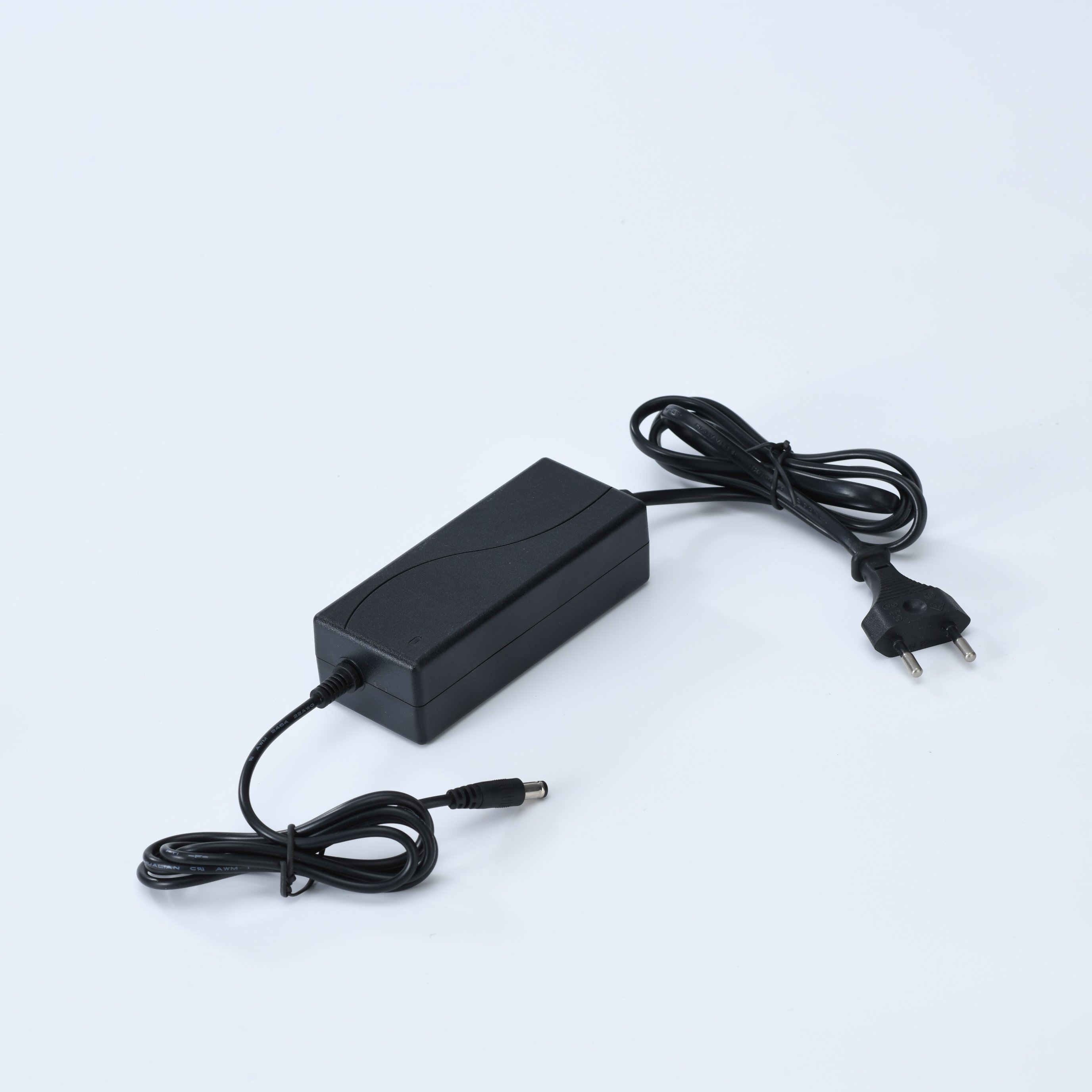
A suitable Power Adapter plays an important role in this process by converting input power from an electrical outlet into the voltage and current required by the connected device or charging system. For manufacturers and businesses developing electronic products, choosing the right power adapter for battery charging is essential for reliable performance, electrical compatibility, and product safety.
What Is Battery Charging?
Battery charging is the process of transferring electrical energy into a rechargeable battery so it can be used to power a device. During charging, an external power source supplies electrical energy under controlled voltage and current conditions.
The exact charging method depends on the battery chemistry, capacity, design, and manufacturer's specifications. Lithium-ion batteries, for example, commonly use a constant-current and constant-voltage (CC-CV) charging method. Other battery chemistries may require different charging profiles.
A battery charging system may include a power adapter, charging controller, battery management system (BMS), battery pack, and connecting cables. Each component has a specific role in supplying, controlling, or monitoring electrical power.
How Does a Battery Charging Power Adapter Work?
A battery charging power adapter converts electrical power from an AC outlet or another input source into a suitable DC output for compatible electronic equipment or a battery charging circuit.
The process generally involves several stages.
AC-to-DC Power Conversion
Many electronic power adapters convert alternating current (AC) from the mains supply into direct current (DC). The adapter provides a specified output voltage and current range for the connected equipment.
Voltage and Current Regulation
The output must remain within the limits required by the device or charging system. Depending on the design, the power adapter may provide regulated DC power, while a separate charging circuit controls the battery's charging current and voltage.
Battery Charging Control
For many rechargeable batteries, the charging controller monitors battery conditions and adjusts the charging process. It may also manage temperature monitoring, charging termination, and protection functions.
A standard power adapter does not necessarily perform all these functions by itself. Before selecting a battery charging power supply, it is important to determine whether the application requires a simple regulated adapter, a dedicated Battery Charger, or a complete charging system.
What Is the Difference Between a Power Adapter and a Battery Charger?
Although the terms are sometimes used interchangeably, a power adapter and a battery charger do not always perform the same function.
| Feature | Power Adapter | Battery Charger |
|---|---|---|
| Main function | Supplies electrical power at a specified output | Manages the battery charging process |
| Output | Often regulated DC power | Controlled output suitable for a particular battery |
| Charging control | May be handled by the connected device | Often includes dedicated charging control |
| Battery compatibility | Depends on the connected charging system | Designed for specified battery types and charging requirements |
| Common applications | Electronic devices, embedded systems, and equipment | Rechargeable battery packs and standalone charging systems |
For example, a dc power adapter may supply power to a device that contains its own battery charging circuit. In this arrangement, the device manages the actual battery charging process.
For applications that require direct battery charging, a dedicated charger or a properly designed charging circuit may be necessary. Using a power adapter with an unsuitable voltage or current rating can damage equipment or create safety risks.
Key Specifications for a Battery Charging Power Adapter
When selecting a power adapter for battery charging applications, manufacturers should evaluate several electrical and mechanical specifications.
Output Voltage
Output voltage must match the input requirements of the connected device or charging circuit. A higher voltage is not automatically better, and the correct voltage cannot be determined from battery capacity alone.
Output Current
The adapter's rated output current must be sufficient for the connected system's power requirements. The actual battery charging current is determined by the charging circuit and battery specifications, not simply by the maximum current rating printed on the adapter.
Output Power
Output power is generally calculated by multiplying voltage by current:
Power (W) = Voltage (V) × Current (A)
For example, a 12 V, 2 A power adapter has a nominal rated output power of 24 W. Whether it is suitable for a particular battery charging application depends on the device's input requirements and charging system design.
Connector Type and Polarity
The connector must fit the device and meet its electrical requirements. For DC barrel connectors, polarity is also important. USB-powered devices may require specific USB power delivery capabilities rather than a conventional fixed-voltage output.
Safety and Regulatory Compliance
A suitable power adapter should meet the safety and regulatory requirements applicable to its intended market and application. Relevant considerations may include electrical insulation, overcurrent protection, overvoltage protection, short-circuit protection, electromagnetic compatibility, and energy efficiency.
The exact requirements depend on the product category, destination market, and intended use.
Applications of Battery Charging Power Adapters
Battery charging power adapters are used in a wide range of electronic and industrial applications.
Consumer Electronics
Power adapters supply power to compatible devices such as tablets, wireless accessories, and other rechargeable electronic products. Charging behavior depends on the device's internal charging circuitry and supported power specifications.
Industrial Electronics
Industrial equipment may require stable DC power for control systems, communication devices, monitoring equipment, and battery-powered instruments.
Medical and Healthcare Equipment
Certain medical and healthcare devices use external power adapters to supply power to internal charging circuits. These applications may require additional safety, reliability, and regulatory considerations based on the equipment classification.
IoT and Wireless Devices
Internet of Things (IoT) products, wireless sensors, communication modules, and smart devices often require compact power adapters that meet specific voltage, current, connector, and environmental requirements.
Custom Electronic Equipment
OEMs and product developers may require customized power adapters to match their equipment's electrical specifications, housing design, cable length, connector type, and certification requirements.
How to Choose a Reliable Power Adapter Manufacturer
For businesses sourcing power adapters for battery charging applications, selecting a reliable manufacturer can help reduce compatibility issues and support consistent product quality.
Confirm Electrical Specifications
Provide the required input voltage, output voltage, rated current, power level, and any special charging or communication requirements. If the adapter powers a separate charging circuit, clarify the circuit's input specifications.
Check Protection Features
Depending on the application, relevant protection features may include overcurrent, overvoltage, short-circuit, and overtemperature protection. Confirm which protections are integrated into the adapter and which are provided by the connected device.
Consider Customization Capabilities
A custom power adapter manufacturer may offer options such as different output ratings, connectors, cable lengths, enclosure designs, plug types, and application-specific configurations. Availability depends on the manufacturer's capabilities and applicable safety requirements.
Evaluate Quality and Compliance
Ask about quality control, electrical testing, product documentation, and certifications applicable to the destination market. For OEM projects, confirm whether the manufacturer can support sample evaluation and production requirements.
Why Choose a Custom Power Adapter Supplier?
A professional power adapter supplier can help businesses identify suitable power solutions for their electronic products. For OEMs and equipment manufacturers, the right supplier should understand electrical compatibility, mechanical requirements, production consistency, and market-specific compliance needs.
We provide power adapter solutions for businesses that require dependable power supplies for electronic equipment and customized product applications. By discussing the intended device, input and output requirements, connector specifications, and target market, customers can identify a suitable adapter configuration for their project.
Whether you need a standard AC-to-DC power adapter or a customized power supply for an electronic device with a rechargeable battery, selecting the correct specification is an important step toward reliable operation.
Frequently Asked Questions
What does battery charge mean?
Battery charge can refer to the electrical energy stored in a battery or the process of replenishing that energy. The term may also refer to the battery's current charge level, which is commonly expressed as a percentage.
Can a power adapter charge a battery directly?
Not every power adapter can charge a battery directly. Many adapters supply DC power to a device or charging circuit, which then regulates the charging process. Direct battery charging requires a suitable charging design compatible with the battery chemistry and specifications.
How do I choose a power adapter for battery charging?
Check the required input voltage, output voltage, current rating, power level, connector, polarity, and charging system requirements. Also verify the relevant safety and regulatory requirements for the intended application.
What is the difference between a battery charger and a power supply?
A power supply provides electrical power to equipment, while a battery charger is designed to control the process of charging a battery. Some products combine both functions, but a standard power adapter should not automatically be treated as a complete battery charger.
Can I order a custom power adapter for my product?
Yes, customization may be available depending on the manufacturer's capabilities. Buyers should provide electrical specifications, connector details, cable requirements, enclosure preferences, estimated order quantity, and destination market when requesting a quotation.
Contact Us for Custom Power Adapter Solutions
Looking for a reliable power adapter manufacturer for your electronic products? We provide power adapter solutions for OEMs, electronic equipment manufacturers, and businesses with specific power supply requirements.
Contact our team to discuss your required output voltage, current, power rating, connector type, cable configuration, and application. We can help you evaluate suitable power adapter options for your project.