




An OEM customized power supply provides a tailored power solution for electronic devices, industrial equipment, consumer products, and other applications with specific electrical and mechanical requirements. Unlike standard off-the-shelf products, a custom power supply can be designed around the customer's input voltage, output voltage, current, power rating, dimensions, connectors, and operating environment.
For businesses developing new electronic products or upgrading existing equipment, working with experienced custom power supply manufacturers can help ensure that the power solution meets application requirements while supporting reliable production and long-term supply. From customized Power Adapters to complete OEM and ODM projects, a professional supplier can provide technical consultation, product development, prototyping, testing, and manufacturing services.
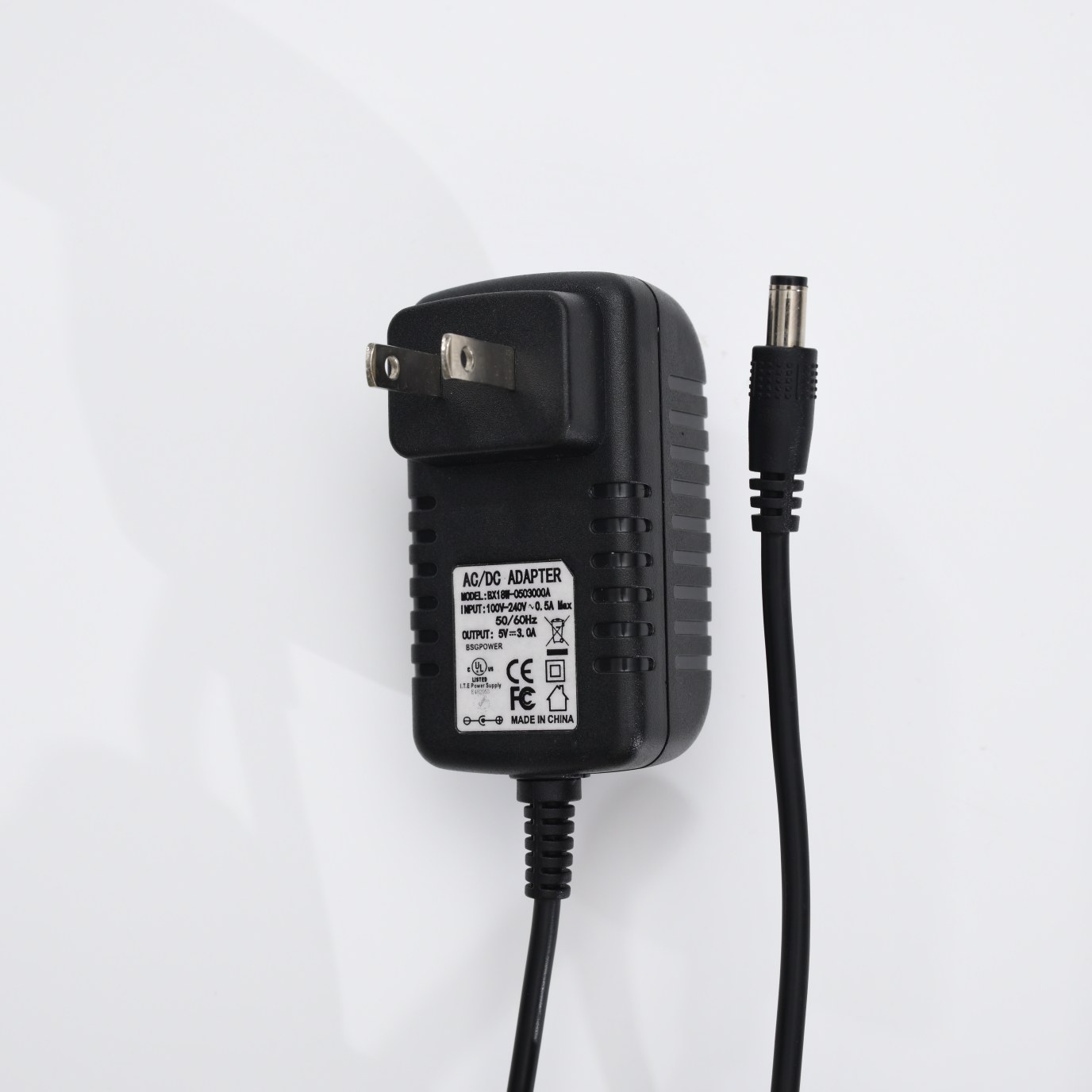
What Is an OEM Customized Power Supply?
An OEM customized power supply is a power conversion product manufactured according to a customer's specifications, product design, or brand requirements. OEM stands for Original Equipment Manufacturer. In an OEM project, the customer typically defines the product requirements, while the manufacturer produces the power supply based on the agreed specifications.
An OEM customized power supply may be designed for a particular electronic device, industrial system, Smart Home product, communication device, or other electrical application. Customization can involve electrical performance, enclosure dimensions, cable length, connector type, safety features, labeling, packaging, and branding.
Depending on the project, a customized power supply may take the form of an AC/DC adapter, DC/DC converter, switching power supply, USB Power Adapter, or another power conversion solution.
The main advantage of OEM customization is that the power supply can be matched to the actual requirements of the end product instead of forcing the product design to accommodate a standard adapter.
Custom Power Supply Solutions for Different Applications
Professional custom power supply solutions address the different electrical, mechanical, and environmental requirements of each application.
Customized Power Adapters
A customized power adapter converts electrical power from an input source into the voltage and current required by a connected device. Customization may include output specifications, plug types, connector dimensions, cable length, housing design, and product branding.
A customized power adapter is suitable for electronic devices that require a specific power configuration or a nonstandard connector. It can also help manufacturers maintain a consistent power supply design across different product models.
When selecting an adapter, buyers should confirm input voltage, output voltage, rated current, maximum power, connector polarity, plug configuration, and applicable safety requirements.
AC/DC Power Supplies
AC/DC power supplies convert alternating current from the mains into direct current for electronic equipment. Depending on the application, these products may require particular output voltages, power ratings, efficiency levels, or enclosure configurations.
Custom AC/DC power solutions are used in industrial equipment, consumer electronics, smart devices, control systems, and other products that require a stable DC power source.
DC/DC Power Converters
DC/DC converters convert one DC voltage level into another. They are useful when a device operates from a battery, vehicle power system, or another DC source but requires a different operating voltage.
A custom DC/DC power supply can be developed around the required input range, output voltage, load current, efficiency, thermal conditions, and installation space.
Compact and Application-Specific Power Supplies
Some electronic products have limited internal space or unique installation requirements. In these cases, custom power supply development can address enclosure dimensions, mounting methods, cable routing, connector placement, and thermal management.
The final design should balance compact size with electrical safety, heat dissipation, reliability, and manufacturability.
OEM vs. ODM: Which Custom Power Supply Service Do You Need?
OEM and ODM are two common approaches to customized power supply manufacturing. The right choice depends on how much of the product design has already been completed.
| Comparison | OEM Custom Power Supply | Custom Power Supply ODM |
|---|---|---|
| Product design | Usually based on customer specifications or an existing customer design | Usually based on the manufacturer's existing design capabilities or a manufacturer-developed solution |
| Customer involvement | Customer provides detailed requirements and may supply the design | Customer provides application requirements and collaborates on product selection or development |
| Customization | Can include electrical specifications, enclosure, connectors, labels, and packaging | May include adapting an existing platform or developing a product to meet agreed requirements |
| Development approach | Focuses on manufacturing a product to agreed specifications | Can involve more manufacturer-led design and development |
| Suitable for | Businesses with established product specifications | Businesses needing design support or a more complete development service |
In practice, OEM and ODM service boundaries vary by manufacturer. Some projects combine customer-defined specifications with supplier-led engineering. Before starting a project, clarify design ownership, intellectual property, tooling costs, certification responsibilities, and production arrangements.
Custom Power Supply Development Process
A structured custom power supply development process helps reduce design risks and supports a smoother transition from concept to mass production.
1. Requirement Analysis
The first step is to define the application's electrical and mechanical requirements. This includes input voltage, output voltage, current, rated power, operating environment, product dimensions, and expected quantity.
The manufacturer may also need information about the connected device, startup behavior, peak load, standby power, and required protection functions.
2. Electrical and Mechanical Design
Based on the requirements, the engineering team develops a suitable power supply design. This may involve selecting the power conversion topology, components, circuit layout, enclosure, connectors, cables, and thermal management approach.
For projects with strict space or performance constraints, the design may require several engineering iterations before it is ready for testing.
3. Prototype Development
Prototype samples allow the customer and manufacturer to evaluate whether the proposed design meets the agreed requirements. Testing may cover output stability, load performance, efficiency, temperature rise, protection functions, and mechanical fit.
Prototype evaluation helps identify potential issues before tooling investment or mass production.
4. Testing and Design Validation
The prototype should be tested against the agreed technical specifications and applicable regulatory requirements. Depending on the product and target market, evaluation may include electrical safety, electromagnetic compatibility, efficiency, temperature, abnormal operating conditions, and other relevant tests.
Certification requirements should be confirmed early because they can affect component selection, design decisions, testing costs, and project schedules.
5. Pilot Production and Mass Manufacturing
After design approval, a pilot production run can help verify assembly processes, component consistency, inspection procedures, and production readiness.
Once the product passes the agreed validation and approval stages, the manufacturer can proceed with mass production according to the order schedule and quality requirements.
6. Ongoing Technical Support
For long-term OEM projects, buyers may also require support for component changes, product revisions, production planning, quality issues, and future product variations.
A reliable supplier should establish a clear communication process for engineering updates and production requirements.
How Do I Request a Custom Power Supply Design Quote?
If you are asking, "How do I request a custom power supply design quote?", the most effective approach is to provide the manufacturer with a clear technical brief. Detailed requirements help the supplier assess feasibility, recommend a suitable solution, and prepare a more accurate quotation.
Information to Prepare Before Requesting a Quote
| Requirement | Information to Provide |
|---|---|
| Application | The device or equipment the power supply will operate |
| Input voltage | Required AC or DC input range |
| Output specifications | Output voltage, rated current, and power rating |
| Power requirements | Continuous load, peak load, and startup requirements if applicable |
| Product dimensions | Maximum available space and enclosure requirements |
| Connectors and cables | Connector type, polarity, cable length, and plug configuration |
| Protection functions | Required overvoltage, overcurrent, short-circuit, or overtemperature protection |
| Target market | Countries or regions where the product will be sold |
| Compliance requirements | Applicable safety, EMC, efficiency, or other regulatory requirements |
| Branding | Logo, label, packaging, and private-label requirements |
| Estimated quantity | Prototype quantity, initial order, and expected annual demand |
| Project timeline | Desired prototype, approval, and production dates |
If you do not have a complete technical specification, you can still request an initial consultation. Provide the device model, application, available input source, required output, product photos, or an existing adapter label. The supplier may be able to help clarify the missing information.
What Affects the Cost of a Custom Power Supply?
The cost of a custom power supply depends on several factors:
Electrical specifications: Output power, efficiency requirements, regulation performance, and protection functions influence the design.
Customization level: A modified standard platform may require less development than a completely new design.
Mechanical requirements: Special enclosures, connectors, cable assemblies, and tooling can increase costs.
Certification and testing: Requirements vary by product type and target market.
Order quantity: Prototype orders, small production runs, and large-volume orders have different unit-cost structures.
Development requirements: New circuit designs, specialized testing, and additional validation can affect nonrecurring engineering costs.
Packaging and branding: Custom labels, retail packaging, and private-label requirements may add costs.
For an accurate quotation, ask the supplier to separate unit pricing, sample costs, engineering or tooling fees, testing and certification costs, minimum order quantity, lead time, and payment terms where applicable.
How to Choose Reliable Custom Power Supply Manufacturers
Choosing the right custom power supply manufacturers is essential for product quality, project efficiency, and long-term supply stability.
Engineering and Design Capabilities
Evaluate whether the manufacturer can support your required power rating, electrical performance, mechanical design, and application-specific functions. Ask about prototype development, design validation, and technical communication throughout the project.
Manufacturing and Quality Control
A capable manufacturer should have defined inspection and quality-control procedures for incoming components, assembly, functional testing, and final products.
For repeat orders, consistency is as important as the performance of the initial samples. Buyers should clarify acceptance criteria, traceability requirements, and how quality issues will be handled.
Compliance and Documentation
Confirm which certifications or test reports are available for the specific model and target market. Certification should be verified for the actual product configuration; documentation for a similar model does not automatically establish compliance for a customized version.
Communication and Project Management
Custom power supply projects often require coordination among engineering, purchasing, quality, and production teams. A supplier that provides clear technical feedback, realistic timelines, and documented design approvals can help reduce misunderstandings.
Production Capacity and Supply Continuity
For long-term programs, review production capacity, component sourcing, delivery planning, and arrangements for product changes or component obsolescence. These factors can influence the stability of the finished product supply.
Why Work with an OEM Custom Power Supply Supplier?
An experienced OEM custom power supply supplier can help translate product requirements into a manufacturable power solution. Depending on the supplier's capabilities, support may include requirement review, electrical design, mechanical customization, sample production, testing, manufacturing, and packaging.
For buyers developing a new device, supplier collaboration can help identify potential design issues early and reduce unnecessary development iterations. For established products, a customized power adapter can help maintain compatibility with existing equipment while meeting revised electrical or mechanical requirements.
Before choosing a supplier, compare technical capabilities, product quality, communication, production capacity, commercial terms, and the level of engineering support available.
Adapter Supplier Service: From Specification to Delivery
Professional adapter supplier service should cover more than product shipment. A well-managed project may include technical consultation, specification confirmation, sample evaluation, order processing, production inspection, packaging, and after-sales support.
For OEM customers, it is useful to establish clear responsibilities for design approval, product labeling, regulatory documentation, change control, and quality claims before production begins.
A supplier with a structured service process can help coordinate the different stages of a customized power adapter project and support more predictable procurement.
Custom Power Supply Solutions for Different Industries
Custom power supplies are used across a wide range of industries, including:
Consumer Electronics
Electronic accessories, smart devices, and household products may require compact power adapters with specific output ratings, connectors, and enclosure designs.
Industrial Equipment
Industrial control systems, monitoring equipment, and specialized machinery may require stable output, particular protection functions, and compatibility with demanding operating environments.
Smart Home Products
Smart home devices may need compact adapters, USB power solutions, or customized power configurations that match the product's electrical and mechanical requirements.
Communication and Electronic Systems
Communication equipment and electronic modules may require defined voltage outputs, reliable power conversion, and careful thermal design. The required configuration depends on the equipment architecture and operating conditions.
The appropriate solution should always be determined by the device's technical requirements rather than by industry category alone.
Frequently Asked Questions
What is an OEM customized power supply?
An OEM customized power supply is manufactured according to agreed customer specifications or product requirements. Customization may include electrical parameters, connectors, enclosure dimensions, cables, labels, and packaging.
What is the difference between OEM and ODM power supplies?
OEM projects generally focus on manufacturing according to customer-defined specifications or designs. ODM projects involve more manufacturer-led design or adaptation of an existing platform. The exact service scope depends on the supplier agreement.
Can I customize an existing power adapter instead of developing a new one?
In some cases, yes. If an existing platform meets most of the electrical and safety requirements, customization may involve the connector, cable, enclosure, label, or other approved features. A new design may be needed when the requirements cannot be met by an existing product.
How long does custom power supply development take?
The timeline depends on design complexity, component availability, prototype iterations, testing, certification, and tooling requirements. Ask the manufacturer for a project-specific schedule covering design, samples, validation, and mass production.
What is the minimum order quantity for a customized power adapter?
Minimum order quantities vary by manufacturer and customization level. Minor modifications may have different requirements from a fully customized design involving new tooling or components. Confirm the MOQ and any setup costs before placing an order.
How can I compare custom power supply manufacturers?
Compare engineering capabilities, product specifications, quality-control procedures, relevant certifications, customization options, lead times, pricing, and communication. Also verify that the supplier can support your expected order volume and future product revisions.
How do I get a quotation for a custom power supply?
Prepare the input and output specifications, application details, mechanical requirements, connector information, target market, compliance requirements, expected quantity, and project timeline. If some information is unavailable, provide your existing product details and ask the supplier for a technical review.
Request a Custom Power Supply Solution
Looking for an OEM customized power supply for your next electronic product? Share your technical requirements, target application, estimated order quantity, and customization needs with a qualified manufacturer.
Whether you need a customized power adapter, OEM production, ODM development, or a complete custom power supply solution, clear specifications and early engineering communication can help establish a more efficient development process. Contact a supplier to discuss feasibility, sample availability, technical requirements, and a project-specific quotation.