


How to Choose the Best Magnetic Wireless Charger
A magnetic Wireless Charger is no longer just a convenient accessory—it has become one of the most practical charging solutions for iPhone users. Thanks to MagSafe and the growing adoption of the Qi2 wireless charging standard, magnetic alignment delivers more stable charging, improved efficiency, and a better user experience than traditional wireless Chargers. When choosing a magnetic wireless charger, the most important factors are compatibility, charging performance, safety, build quality, and manufacturer reliability. This guide explains each factor to help you make an informed decision.
Why Are Magnetic Wireless Chargers Becoming More Popular?
The popularity of magnetic wireless chargers continues to grow because they solve one of the biggest problems with conventional wireless charging: coil misalignment.
Traditional wireless chargers require users to carefully position their phones on the charging pad. Even slight movement can reduce charging efficiency or interrupt charging altogether.
Magnetic wireless chargers use built-in magnets to automatically align the charging coils. This improves charging stability and provides a more seamless charging experience.
Several trends are driving this growth:
Wider adoption of Apple's MagSafe ecosystem
Increasing availability of Qi2-certified devices
Growing demand for multi-device charging stations
Rising popularity of desk-friendly and travel-friendly accessories
More consumers expecting cable-free charging solutions
For businesses, magnetic chargers have also become an attractive OEM and ODM product because they offer strong branding opportunities and high market demand.
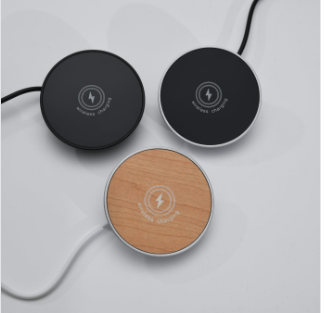
What Devices Should Your Magnetic Wireless Charger Support?
Before purchasing a magnetic wireless charger, compatibility should be your first consideration.
A high-quality charger should support multiple device categories instead of only one phone model.
Look for compatibility with:
iPhone models supporting MagSafe
Qi2-enabled smartphones
Qi-compatible Android phones
Wireless charging earbuds
Wireless charging cases
If you're purchasing for resale or private labeling, broader compatibility means fewer customer complaints and higher product appeal.
For B2B buyers, choosing chargers that support both current and future wireless charging standards can significantly extend product life cycles.
Why Does Qi2 Compatibility Matter?
Qi2 has become one of the most important wireless charging standards in the industry.
Developed by the Wireless Power Consortium, Qi2 introduces magnetic alignment similar to Apple's MagSafe technology while improving interoperability across different manufacturers.
Choosing a Qi2-compatible charger offers several advantages:
Better charging alignment
Improved charging efficiency
Reduced energy loss
Enhanced safety
Greater device compatibility
Better future-proofing
As more smartphone manufacturers adopt Qi2, chargers supporting this standard will become increasingly valuable for retailers and distributors.
How Much Charging Power Do You Actually Need?
Many buyers assume that higher wattage always means better performance.
In reality, charging speed depends on multiple factors:
Phone compatibility
Wireless charging protocol
USB-C cable quality
Temperature management
Typical charging outputs include:
| Charging Output | Best For |
|---|---|
| 5W | Basic charging |
| 7.5W | Older iPhones |
| 10W | Compatible Android devices |
| 15W | MagSafe and Qi2 fast charging |
For most premium magnetic wireless chargers, 15W charging has become the preferred specification because it provides an excellent balance between speed and thermal performance.
Why Is Magnetic Strength Important?
Not all magnets are created equal.
A weak magnetic connection may allow the phone to slide or disconnect during charging.
A stronger magnetic system provides:
Stable phone positioning
Consistent charging efficiency
Better one-handed operation
Reduced accidental drops
Improved user experience
Manufacturers often use high-grade permanent magnets to maintain consistent magnetic force while keeping the charger compact.
For accessories like car chargers, magnetic strength becomes even more critical because vibration can easily interrupt charging.
Which Safety Features Should You Never Ignore?
Safety should always take priority over charging speed.
Reliable magnetic wireless chargers include multiple protection systems to safeguard both the charger and connected devices.
Key safety features include:
Over-temperature protection
Over-current protection
Over-voltage protection
Short-circuit protection
Foreign Object Detection (FOD)
Intelligent power management
These features help extend battery life while minimizing charging risks.
For commercial buyers, products that pass internationally recognized safety certifications are generally more suitable for global markets.
How Can You Judge the Overall Build Quality?
Build quality affects both durability and customer satisfaction.
When evaluating a magnetic wireless charger, consider:
Materials
Premium aluminum alloy helps dissipate heat more effectively than low-cost plastic housings.
Surface Finish
Soft-touch silicone or scratch-resistant coatings improve both appearance and durability.
Internal Components
High-quality charging coils, PCBs, magnets, and temperature sensors contribute to long-term performance.
Cable Quality
A reinforced USB-C cable with durable strain relief helps prevent cable failure after repeated use.
Well-built chargers often result in fewer warranty claims and better customer reviews.
Which Design Features Improve Everyday Use?
Design plays a major role in user experience.
Some of the most useful features include:
Foldable construction
Adjustable viewing angles
Compact travel size
Anti-slip base
LED charging indicators
Integrated charging stand
Many users prefer magnetic charging stands because they allow charging while watching videos, making video calls, or using StandBy mode on supported iPhones.
How Can You Choose a Reliable Magnetic Wireless Charger Manufacturer?
For wholesalers, distributors, and brand owners, selecting the right supplier is just as important as choosing the product itself.
Evaluate manufacturers based on:
Manufacturing Experience
Experienced factories usually have more mature production processes and stronger quality control systems.
OEM & ODM Capability
A professional supplier should support:
Logo customization
Package customization
Color customization
Private labeling
Custom molds
Product development
Quality Control
Look for manufacturers that perform:
Charging efficiency testing
Aging tests
Magnetic force testing
Temperature testing
Drop testing
Incoming material inspection
Production Capacity
A supplier with scalable production can better support large-volume orders and seasonal demand.
Certifications
Products intended for international markets should comply with relevant certification requirements for target regions.
Is a Magnetic Wireless Charger Worth Buying?
For most users, the answer is yes.
Compared with traditional wireless chargers, magnetic wireless chargers offer:
More accurate alignment
Faster charging performance
Better convenience
Cleaner desktop setup
Improved charging stability
Better compatibility with modern smartphones
As Qi2 becomes more widely adopted, magnetic wireless charging is expected to become the mainstream charging method for many mobile devices.
Frequently Asked Questions
Does a magnetic wireless charger work with all iPhones?
No. Magnetic alignment works best with MagSafe-compatible iPhones or devices using compatible magnetic cases. Other Qi-enabled iPhones may still charge wirelessly but without the same magnetic attachment.
Is magnetic wireless charging safe for battery health?
Yes. A quality charger with intelligent power management and temperature protection is designed to charge safely without harming the battery under normal operating conditions.
Can Android phones use magnetic wireless chargers?
Many Android phones that support Qi or Qi2 wireless charging can use magnetic wireless chargers. Some models may require a compatible magnetic case or magnetic ring for proper alignment.
Does magnetic alignment improve charging efficiency?
Yes. Better alignment helps keep the transmitter and receiver coils centered, reducing energy loss and making charging more consistent.
What is the difference between MagSafe and Qi2?
MagSafe is Apple's magnetic wireless charging technology. Qi2 is an industry standard developed by the Wireless Power Consortium that incorporates magnetic alignment to improve compatibility across different brands.
Conclusion
Choosing the best magnetic wireless charger involves much more than comparing prices. Compatibility, Qi2 support, charging power, magnetic strength, safety features, build quality, and supplier capabilities all influence long-term performance and customer satisfaction.
For consumers, investing in a high-quality magnetic wireless charger provides a faster, more reliable, and more convenient charging experience. For wholesalers, retailers, and brand owners, partnering with an experienced manufacturer that offers OEM/ODM services, strict quality control, and scalable production can create lasting competitive advantages in the rapidly growing wireless charging market.