


As electronic devices, electric vehicles, and energy storage systems continue to grow worldwide, the demand for reliable Battery Charger solutions has increased significantly. Choosing the right charger not only improves charging efficiency but also extends battery lifespan and ensures operational safety.
This article introduces different types of battery chargers, including Portable Battery Charger, Nano Battery Charger, Lead-Acid Battery Charger, and chargers designed for Lithium Iron Phosphate Battery and Ternary Lithium Battery technologies.
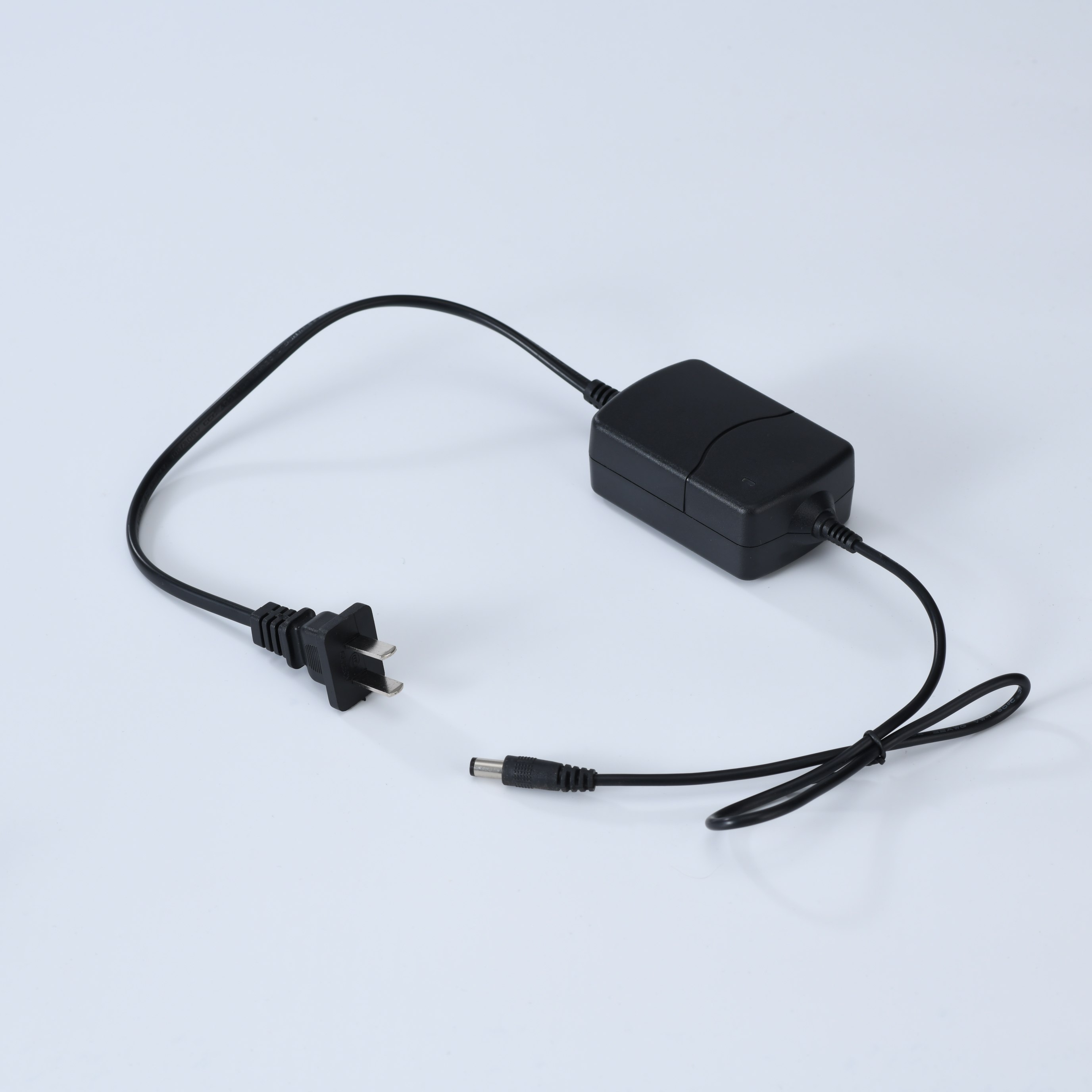
What Is a Battery Charger?
A battery charger is an electronic device designed to restore energy to rechargeable batteries by supplying controlled electrical current and voltage.
Modern chargers use intelligent charging algorithms to:
Prevent overcharging
Protect battery cells
Improve charging speed
Extend battery life
Maintain safety performance
Battery chargers are widely used in automotive, industrial equipment, renewable energy systems, consumer electronics, and backup power solutions.
Portable Battery Charger
A portable battery charger is a compact and mobile charging solution designed for convenience and flexibility.
Key Features
Lightweight and easy to carry
Plug-and-play operation
Multiple charging modes
Wide voltage compatibility
Applications
Emergency vehicle charging
Outdoor power systems
Marine equipment
Camping and travel electronics
Portable chargers are ideal for users requiring charging capability anytime and anywhere.
Nano Battery Charger
The Nano Battery Charger represents a new generation of compact intelligent charging devices.
Advantages
Ultra-small design
High charging efficiency
Smart microprocessor control
Automatic battery detection
Nano chargers are especially suitable for motorcycles, small vehicles, backup batteries, and compact electronic equipment where space-saving design is important.
Lead-Acid Battery Charger
The Lead-Acid Battery Charger is one of the most widely used charging solutions due to the long-standing popularity of lead-acid batteries.
Supported Battery Types
Flooded lead-acid batteries
AGM batteries
Gel batteries
Key Functions
Multi-stage charging
Desulfation mode
Temperature compensation
Overcharge protection
Common Applications
Automotive batteries
UPS backup systems
Industrial machinery
Solar energy storage
Proper charging helps prevent sulfation and significantly increases battery service life.
Lithium Iron Phosphate Battery Charger
A Lithium Iron Phosphate Battery Charger is specifically designed for LiFePO4 batteries, which are known for safety and long cycle life.
Characteristics
Stable charging voltage control
High thermal stability
Long cycle lifespan
Fast charging capability
Applications
Electric vehicles
Solar energy storage systems
Marine power systems
Portable power stations
LiFePO4 batteries require precise charging profiles, making dedicated chargers essential.
Ternary Lithium Battery Charging Solutions
A Ternary Lithium Battery (NCM or NCA lithium battery) uses nickel, cobalt, and manganese or aluminum materials to achieve high energy density.
Charging Requirements
Accurate voltage regulation
Battery management system (BMS) compatibility
Overcurrent protection
Thermal monitoring
Applications
Electric vehicles
Power tools
Consumer electronics
Energy storage devices
Compared with LiFePO4 batteries, ternary lithium batteries offer higher energy density but require stricter safety management during charging.
Intelligent Charging Technology
Modern battery chargers integrate smart charging technologies such as:
Multi-stage charging algorithms
Automatic battery recognition
Reverse polarity protection
Short circuit protection
Temperature monitoring
Maintenance charging mode
These technologies maximize efficiency while protecting battery health.
How to Choose the Right Battery Charger
When selecting a battery charger, consider the following factors:
1. Battery Chemistry
Choose chargers designed specifically for:
Lead-acid batteries
Lithium iron phosphate batteries
Ternary lithium batteries
2. Voltage and Capacity
Ensure the charger matches battery voltage (12V, 24V, 48V, etc.) and capacity rating.
3. Application Environment
Portable usage → Portable Battery Charger
Compact systems → Nano Battery Charger
Industrial equipment → Heavy-duty charger
4. Safety Features
Look for chargers with intelligent protection systems and certified safety standards.
Benefits of Using Advanced Battery Chargers
Using a professional battery charger provides several advantages:
Faster and safer charging
Extended battery lifespan
Reduced maintenance cost
Higher energy efficiency
Reliable system performance
Future Trends in Battery Charging Technology
Battery charging technology continues to evolve alongside renewable energy and electrification trends. Key developments include:
Smart IoT-connected chargers
Fast charging technology
High-efficiency power conversion
Renewable energy integration
AI-based battery health management
These innovations are driving the next generation of intelligent power systems.
From Portable Battery Charger and Nano Battery Charger solutions to specialized chargers for Lead-Acid Battery, Lithium Iron Phosphate Battery, and Ternary Lithium Battery, modern battery charging technology plays a critical role in powering today’s devices and energy systems.
Selecting the right battery charger ensures safety, efficiency, and long-term performance, making it an essential component across automotive, industrial, and renewable energy applications.