


A dead battery doesn't always mean it needs to be replaced. In many cases, a high-quality Battery Charger can restore a battery's power and extend its service life. However, whether a charger can successfully recover a dead battery depends on the battery type, its condition, and the charging technology used.
In this article, we'll explain what is a battery charger, discuss whether a charger can revive a dead battery, and help you choose the best charger for batteries, including Nano Battery Charger, Lead-Acid Battery Charger, and Lithium Iron Phosphate Battery Charger solutions.
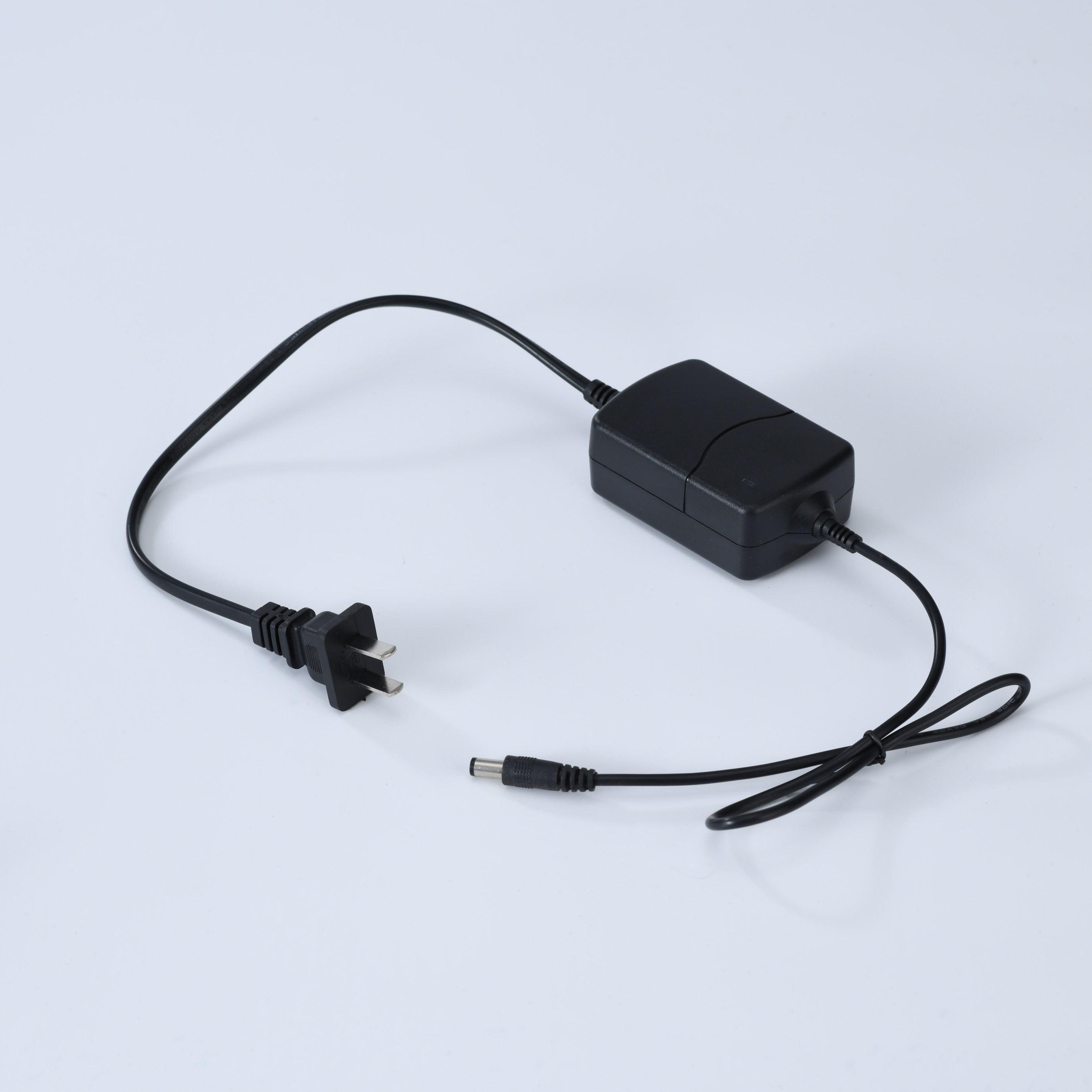
What Is a Battery Charger?
A Battery Charger is an electrical device that supplies energy to rechargeable batteries by restoring their stored electrical charge. Modern chargers not only recharge batteries but also monitor voltage, current, and temperature to ensure safe and efficient charging.
Different battery chemistries require different charging methods, including:
Lead-acid batteries
Lithium Iron Phosphate Battery Charger applications
Ternary Lithium Battery charging systems
Choosing the correct charger helps maximize battery performance and lifespan.
Will a Battery Charger Charge a Dead Battery?
The answer is yes—but not always.
A Battery Charger can often recharge a dead battery if the battery has only been deeply discharged. However, if the battery has suffered permanent damage, internal short circuits, or severe sulfation (for lead-acid batteries), even the best charger may not recover it.
A battery can usually be recovered if:
It has been discharged but not physically damaged.
The battery voltage is above the minimum recovery threshold.
A smart charger supports recovery or repair mode.
The battery chemistry matches the charger.
A battery may not be recoverable if:
Internal cells are damaged.
The battery has been stored in a discharged state for a long time.
There is severe swelling, leakage, or corrosion.
Battery protection circuits have permanently failed.
What Is the Best Charger for Batteries?
Many users ask, "What is the best charger for batteries?"
The best charger depends on the battery type and application.
Nano Battery Charger
A Nano Battery Charger uses intelligent microprocessor technology to automatically control the charging process.
Advantages:
Automatic charging stages
Battery repair and maintenance modes
Overcharge protection
Temperature monitoring
Longer battery life
Nano chargers are ideal for automotive, motorcycle, marine, and recreational vehicle batteries.
Lead-Acid Battery Charger
A Lead-Acid Battery Charger is specifically designed for traditional lead-acid batteries.
It is suitable for:
Automotive batteries
Motorcycle batteries
UPS systems
Emergency backup power
Solar energy storage
Modern lead-acid chargers often include desulfation and maintenance charging functions to help extend battery life.
Lithium Iron Phosphate Battery Charger
A Lithium Iron Phosphate Battery Charger is specially designed for LiFePO₄ batteries.
Benefits include:
Accurate voltage control
High charging efficiency
Fast charging performance
Built-in battery protection
Longer cycle life support
Using a dedicated LiFePO₄ charger is essential because lithium batteries require different charging algorithms than lead-acid batteries.
Ternary Lithium Battery Charging
A Ternary Lithium Battery (NCM/NCA battery) requires a charger specifically designed for lithium-ion chemistry.
Features include:
Constant current / constant voltage (CC/CV) charging
Cell protection
Over-voltage protection
Temperature monitoring
Using an incorrect charger may reduce battery life or create safety risks.
Factors That Affect Battery Recovery
Whether a dead battery can be successfully charged depends on several factors.
Battery Age
Older batteries gradually lose their ability to hold a charge.
Battery Chemistry
Lead-acid and lithium batteries require different charging technologies.
Depth of Discharge
Extremely deep discharge may permanently damage battery cells.
Charger Technology
Smart chargers with automatic recovery functions have a much higher chance of restoring deeply discharged batteries.
How to Safely Charge a Dead Battery
To maximize the chance of successful recovery:
Inspect the battery for damage or leakage.
Choose the correct Battery Charger for the battery type.
Connect the charger according to the manufacturer's instructions.
Use smart charging or recovery mode if available.
Monitor the charging process and avoid overheating.
Never attempt to charge a swollen or physically damaged battery.
Why Choose Our Battery Chargers?
We provide professional battery charging solutions for various battery chemistries.
Our product range includes:
Battery Charger
Nano Battery Charger
Lead-Acid Battery Charger
Lithium Iron Phosphate Battery Charger
Chargers for Ternary Lithium Battery systems
Our advantages:
Intelligent charging technology
Multiple safety protections
High charging efficiency
OEM & ODM customization
International quality standards
Reliable factory supply
Our chargers are suitable for automotive, industrial, energy storage, marine, RV, and commercial applications.
So, will a battery charger charge a dead battery? In many cases, the answer is yes, provided the battery has not suffered irreversible damage and the correct charger is used.
Whether you're charging a lead-acid battery, a Lithium Iron Phosphate Battery, or a Ternary Lithium Battery, selecting the right Battery Charger is essential for safety, charging efficiency, and long-term battery performance. Smart chargers such as Nano Battery Charger models offer advanced recovery functions that help maximize battery life and reliability.